 |
Shannon Amidon is an artist, writer, and environmental steward whose creative work explores the intersections of nature, curiosity, and creative community. Shannon is the founder and director of The Verdancy Project, a multidisciplinary artist residency and creative ecosystem in Oregon that cultivates connections between art, science, and the natural world. She is also a writer and the author of Nurturing Creativity: A Guide to Building Your Artist Residency and Cultivating Creative Community. |
Have you ever thought about starting your own artist residency or retreat?
Maybe you’ve imagined building a small, creative community around your work—a place where artists can gather, make things, and support each other while you stay connected to your own practice. It sounds expensive and complicated, and sometimes it can feel that way at first. But it doesn’t have to be: more artists than ever are building their own programs without institutional backing, big budgets, or anyone's permission.
I’m one of those artists: I’m not a nonprofit administrator or a program director with a business degree. I’m a mixed media encaustic artist who wanted to build something bigger than my own studio practice. Six years ago, I started The Verdancy Project, a multidisciplinary, nature-based artist residency in Troutdale, Oregon.
I had no roadmap or manual. I simply had a clear desire to create something larger than my own practice and a willingness to figure it out as I went. What I’ve learned over the past six years—through trial and error, and through seasons of abundance and burnout—is that building a residency is one of the most creatively meaningful things I’ve ever done.
If you’ve ever thought about creating an artist residency or retreat, here are five foundational things to consider before you start.
Start With Why You Want to Create an Artist Residency, and Make It Specific
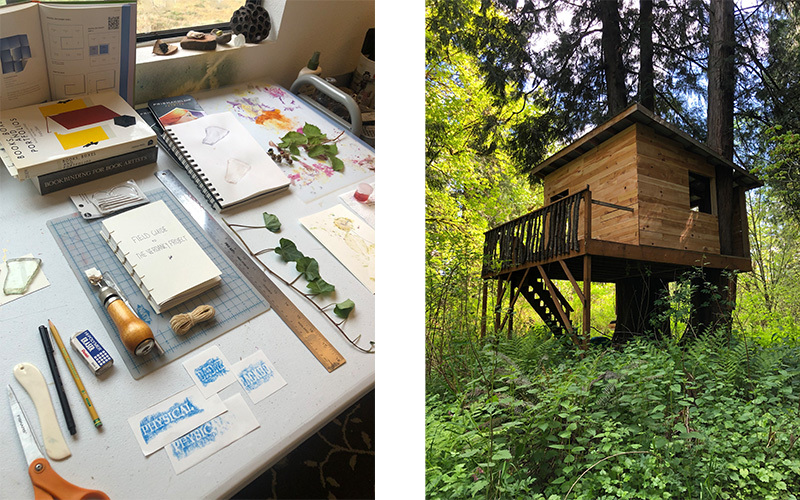 At The Verdancy Project, Shannon Amidon has created a haven for fellow creative souls—are you looking to do the same? All images courtesy of The Verdancy Project.
Before you design a program, build a website, or share your idea with anyone, spend real time with one question:
Why do you want to do this?
Not in a vague, inspirational sense, but practically. What do you want artists to experience when they come to your program? What values do you want it to embody? What’s missing in the residency landscape that you feel called to offer?
A clear purpose does more than keep you motivated; it attracts the right artists, helps you make decisions when things get complicated, and gives your program a distinct identity in a rapidly growing field. If you skip this step, you’ll end up designing a program for everyone and serving no one particularly well.
Struggling to find the Why of your artist residency?
Getting clear on your overall purpose for your residency, and how you want your program to evolve over time, is a lot easier when your own studio practice is already organized.
Artwork Archive lets you manage your art inventory, sales, documents, and so much more, all in one place, so you can spend less time stressing about your art business tasks and more time thinking about how you want your dream residency to look. Start your free 14-day trial today to see how Artwork Archive can help.
Start Smaller Than You Think You Need To: Artist Residencies Take Time to Build
There’s real pressure, especially at the beginning, to launch something that looks fully formed. Resist that urge!
A lightweight structure is not only easier to manage but also easier to grow. You can always add more later; it’s much harder to scale back a program that has become too heavy to carry.
Work through the basics early: Will your residency be in person or virtual? How long will the program run? How many artists can you realistically host in one session? Is it open-ended studio time, project-based, guided, or some combination?
These decisions will shape everything else, so it’s worth being honest about what you can sustain right now, not what you hope to offer someday.
Build Your Artist Residency with the Space You Have
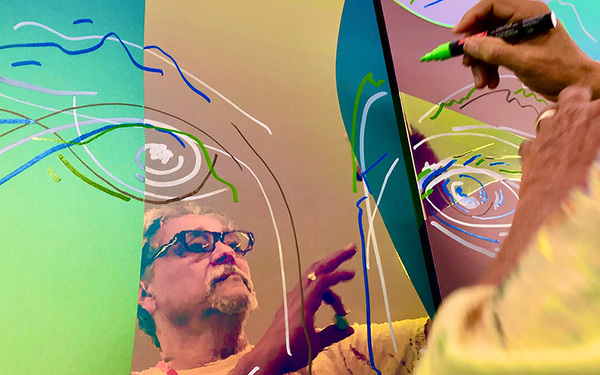
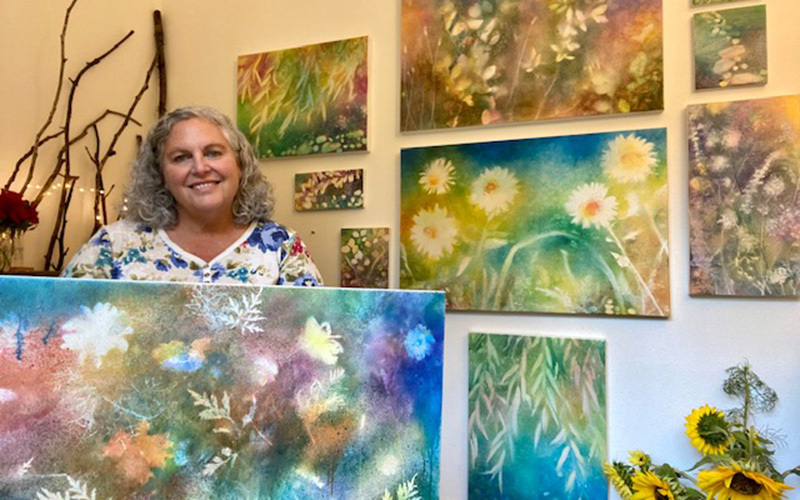 Artist Linda Robertson in a Verdancy Project studio.
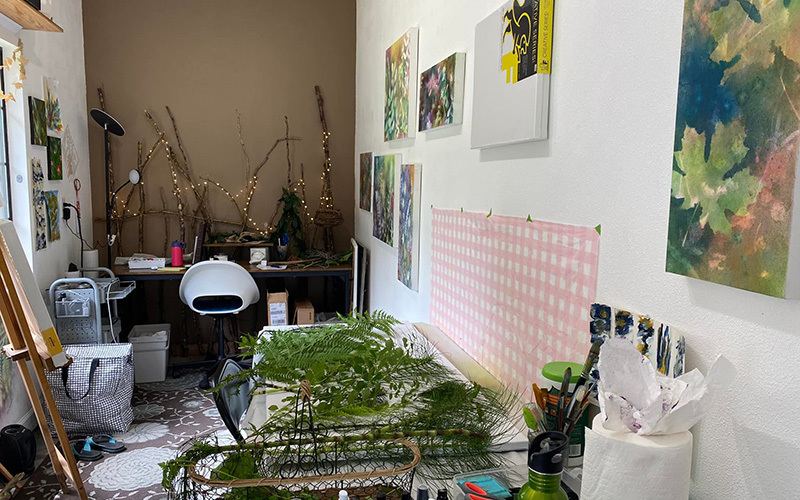
You don’t need a perfect studio, a sprawling piece of land, or a big, light-filled building. Artists value intention more than perfection, and a well-considered, modest space will serve them better than an impressive one without a clear purpose.
Take stock of what you already have: workspace, sleeping accommodations if artists are staying on-site, access to nature or community, and basic amenities. If you’re building an online residency, a computer and an internet connection are genuinely all you need to start.
Be honest and specific about what you can offer right now, because clarity about your space is part of what makes your program trustworthy to artists who are considering applying.
Understand That Community Is What Makes Your Artist Residency Special
The space and structure are just the container. The real substance of any residency lies in the people you bring together.
Who you invite shapes everything: the conversations that happen, the work that gets made, the culture that develops, and how artists talk about your program when they leave.
Think carefully about curation. What kind of artist thrives in the environment you're creating? What disciplines or practices make sense together? What mix of experience levels, backgrounds, and approaches will generate the kind of creative connection that's productive rather than draining?
Curation is the most important creative act you'll undertake as a residency director, and it remains crucial throughout.
Looking for your next residency?
Check out Artwork Archive’s Call for Entry landing page, the only resources you need to find your next residency, exhibition, grant, or any other artist opportunity. Check back regularly: New opportunities are added every week.

Protect Your Own Art Practice from the Start
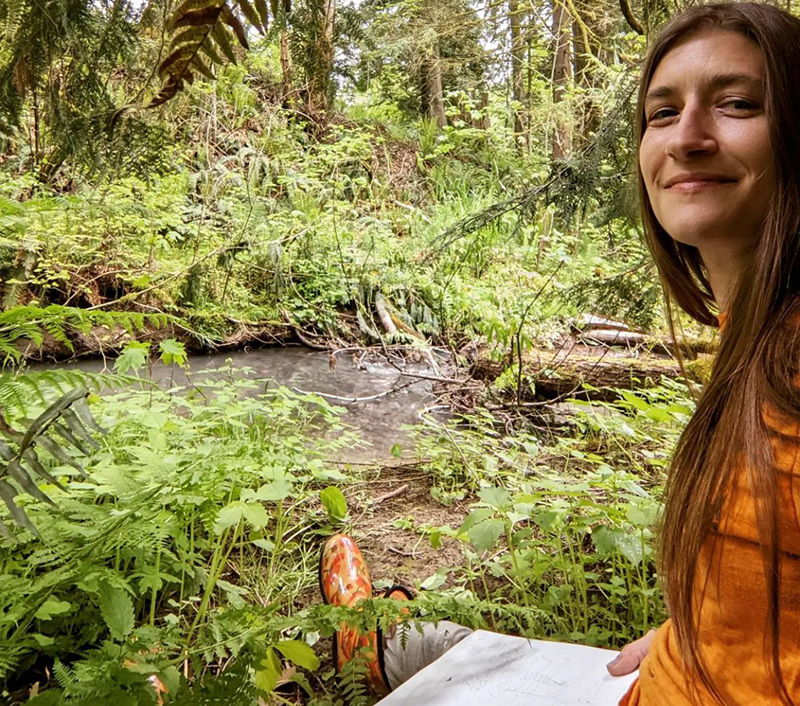 Artist Lacey Bryant during the Verdancy Project residency.
This one is easy to overlook when you're excited about a new project, yet it's often the thing people most regret not doing sooner.
When you start a residency, it is very easy to let your own creative work slip. The administrative tasks, hosting, logistics, and visibility work—all of it expands to fill whatever time you leave unguarded.
Set clear limits around your studio time before you open your doors. Consider building your program seasonally so you have genuine downtime between cohorts. Think about what "sustainable" truly means for your life, not just for the residency.
The goal isn't to pour yourself into a program until you're empty; it's to build something that supports artists, including you.
Ready to open your residency to applicants?
When you're ready to put out a call for artists, Artwork Archive makes it easy to run the whole process in one place.
You can publish your open call, collect structured submissions, and manage your applicant pipeline without building a spreadsheet system from scratch or sorting through a flood of mismatched emails. Learn more about running you call for entry through Artwork Archive.
I've learned so much over the six years of running The Verdancy project, and because I believe in artists supporting artists, I wrote Nurturing Creativity: A Guide to Building Your Artist Residency and Cultivating Creative Community. It’s the book I needed when I began: it delves into program structure, funding models, application processes, community building, and how to stay creatively alive while running something you care about. Nurturing Creativity is practical, honest, and written by someone who built a residency from scratch without a roadmap. If you're ready to stop waiting for permission and start building something of your own, this guide is for you!
If you’re an artist thinking about creating your own artist residency, the first step is to get organized. A bit of structure for your own practice can mean more time and headspace you can devote to building your exciting new residency community.
Artwork Archive helps artists build an online portfolio, stay on top of their inventory, and create things like tear sheets and invoices in just a few clicks. Start a free trial and see how it fits into your own process.