- Josiah Wedgwood
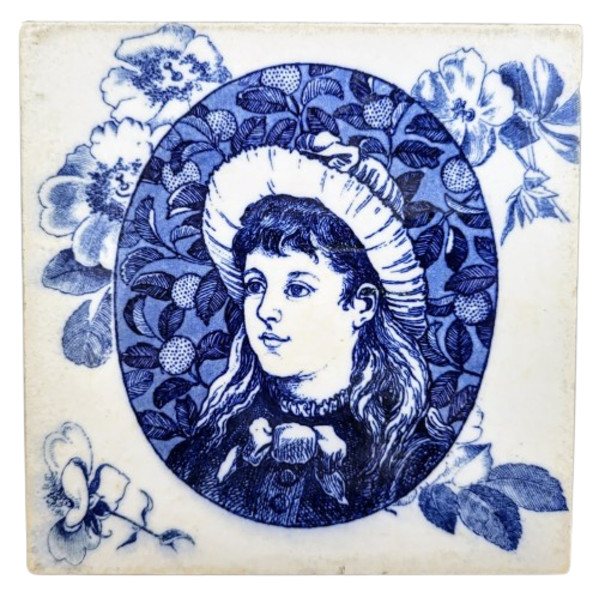
- Unnamed (Cameo Head), c. 1883-1890
- Earthenware
- 9.25 x 9.25 in (23.5 x 23.5 cm)
-
Not For Sale
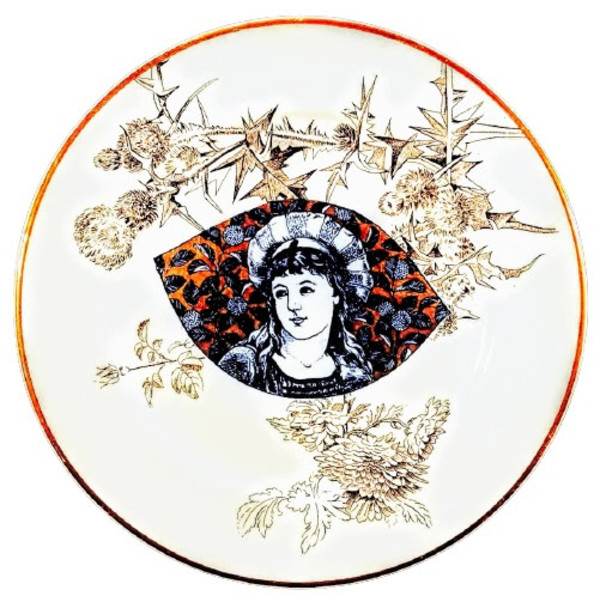
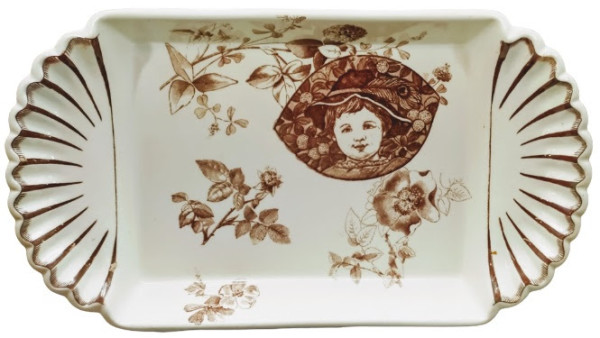
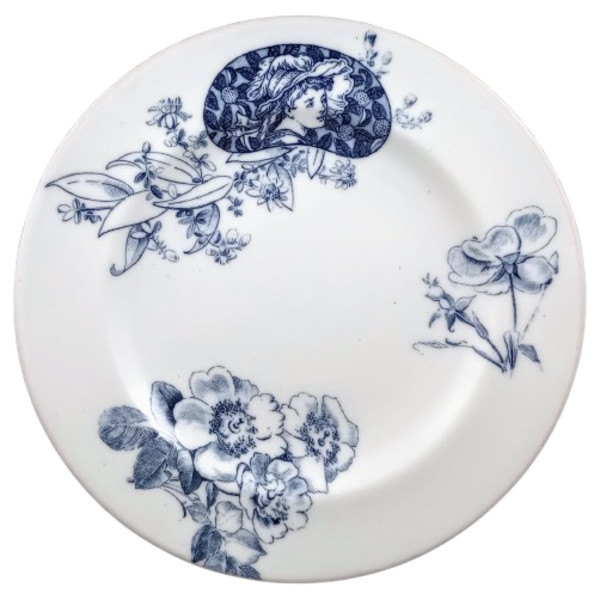
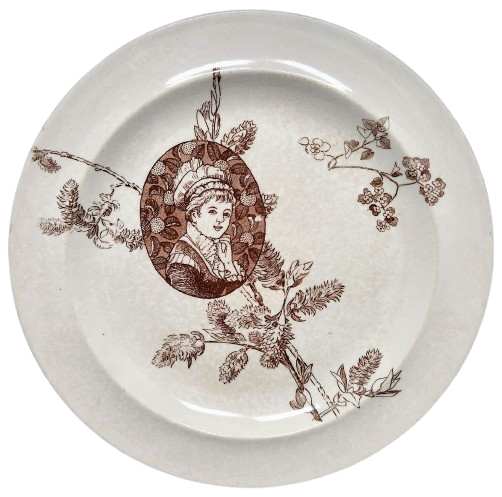
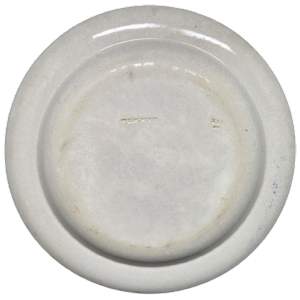
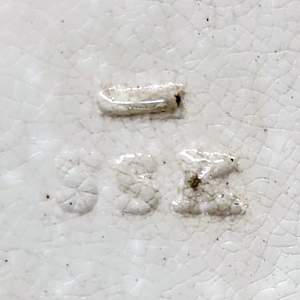
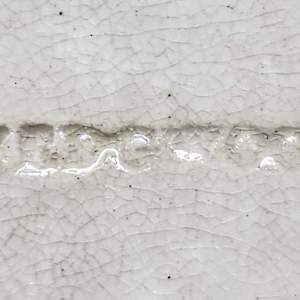
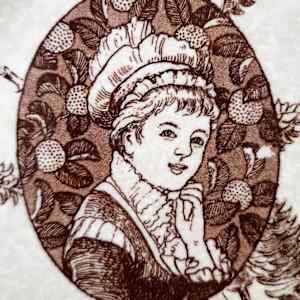
Plate, 9.25 inches diameter. Brown transfer. Impressed maker's mark for Josiah Wedgwood. The impressed letters "SSK" indicate a manufacture date of 1882. The central image of this pattern is one of several "Cameo Heads" designed by Thomas Allen, c. 1883. The cameo head here features the bust of a young woman with a poofy hat and ruffled collar, set within an oval-shaped cameo and a background filled with round citrus fruit and leaves. The cameo is superimposed over a stem of fuzzy cylindrical flowers and leaves. A small spring of tiny flowers and leaves appears to the upper left.
Josiah Wedgwood was born in Burslem, Staffordshire, on July 12, 1730, into a family with a long tradition as potters. At the age of nine, after the death of his father, he worked in his family's pottery. In 1759 he set up his own pottery works in Burslem. There he produced a highly durable cream-colored earthenware that so pleased Queen Charlotte that in 1762 she appointed him royal supplier of dinnerware. From the public sale of Queen's Ware, as it came to be known, Wedgwood was able, in 1768, to build near Stoke-on-Trent a village, which he named Etruria, and a second factory equipped with tools and ovens of his own design. At first only ornamental pottery was made in Etruria, but by 1773 Wedgwood had concentrated all his production facilities there. During his long career Wedgwood developed revolutionary ceramic materials, notably basalt and jasperware. After Wedgwood's death in Etruria on January 3, 1795, his descendants carried on the business, which still produces many of his designs.
- Subject Matter: Aesthetic (Cartouche)
- Collections: Aesthetic Transferware, Josiah Wedgwood